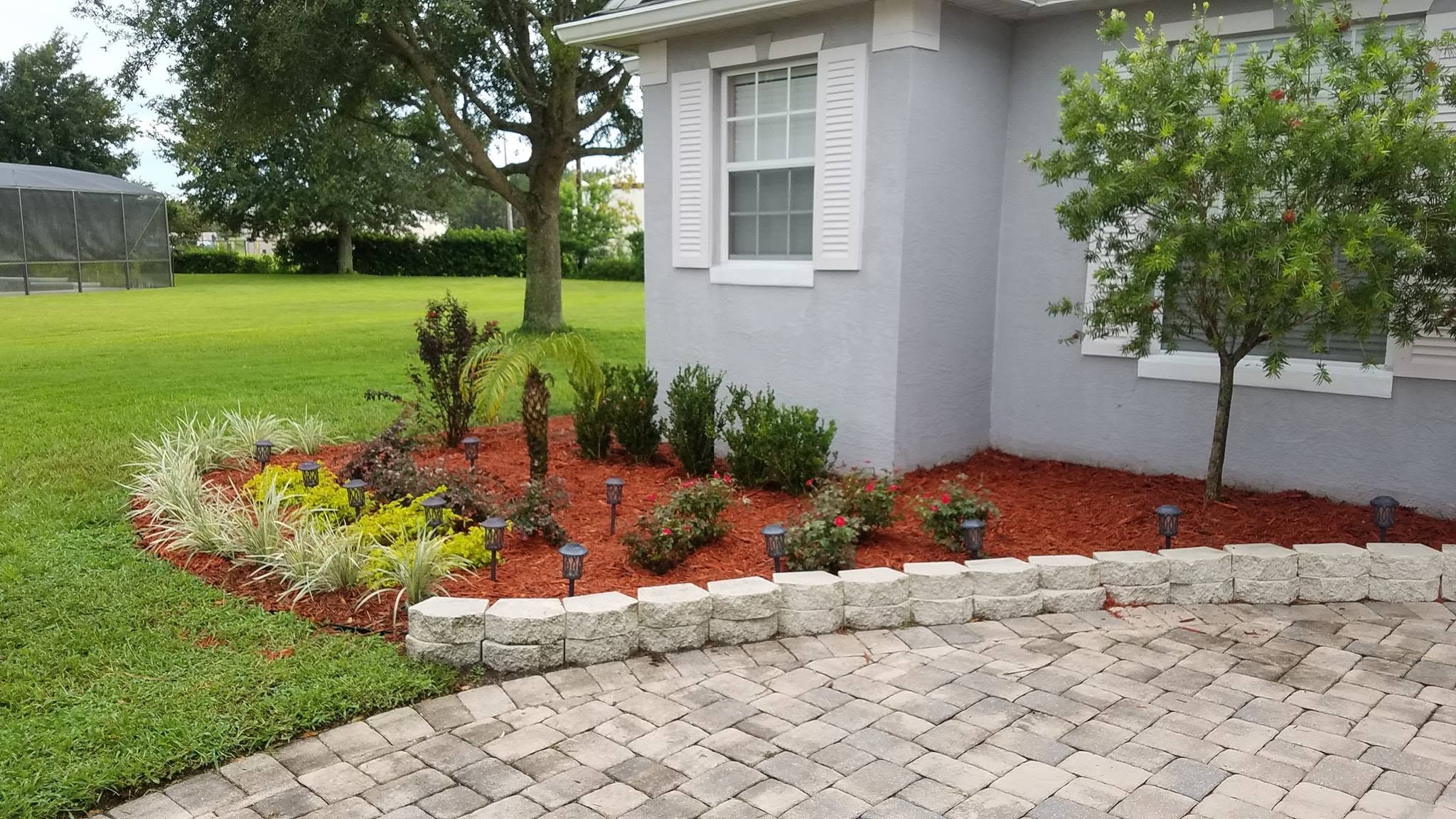
Gardening for Beginners: Essential Tips from Nate the Garden Guru Sep 11, 2026
Understanding Your Space
Before you begin planting, it's crucial to understand the space you are working with. Assess the climate of your region and how much sunlight your garden receives throughout the day. Different plants thrive under different conditions, so choosing plants suited to your environment is essential. If your area receives fewer hours of sunlight, opt for shade-tolerant plants.
Soil Preparation
The foundation of every beautiful garden is healthy soil. Start by analyzing the type of soil in your garden. Is it sandy, clay-heavy, or loamy? Each type has its pros and cons. Loamy soil is considered ideal due to its balanced texture and nutrient content. To enrich poor soil, incorporate organic matter like compost or manure. This not only provides nutrients but also improves soil structure.
Choosing the Right Plants
As a beginner, focus on easy-to-grow plants that require minimal maintenance. Perennials like lavender and coneflowers are great choices because they return year after year. Vegetables like lettuce, radishes, and tomatoes are also suitable for novice gardeners. These plants provide rewarding yields with little effort.
Planting Techniques
Timing and techniques are vital in gardening. Pay attention to the best planting seasons for each species in your local area. Always plant seeds at the correct depth, ensuring good soil-to-seed contact. Watering should be consistent but not excessive, as this prevents root rot. Mulch around the base of plants to retain moisture and suppress weeds.
Watering Wisely
Water is a precious resource, so learn to water efficiently. Early morning is the ideal time to water plants, as it reduces evaporation and allows leaves to dry during the day, preventing fungal diseases. Drought-resistant plants, like succulents or native varieties, are great options for minimizing water use.
Pest and Weed Management
Unwanted pests and weeds can be troubling for any gardener. Encourage beneficial insects like ladybugs and lacewings that naturally control harmful pests. When dealing with weeds, regular mulching and hand-pulling are effective and eco-friendly strategies that maintain your garden's integrity.
Creating a Maintenance Routine
Maintaining your garden ensures its prosperity. Regularly check on plant health, prune dead or diseased branches, and tidy up garden beds. Organizing tasks into a weekly or monthly schedule simplifies upkeep and prevents overwhelming, last-minute gardening chores.
Experience the Joy of Gardening
Gardening is as much about learning from nature as it is about growth. Be patient, observe your garden, and adapt to changes. Each plant has its quirks, and sometimes failures teach the best lessons. With time, your gardening skills will flourish alongside your plants.
Gardening opens the door to a serene lifestyle, offering mental benefits and a deeper connection with nature. By following these beginner gardening tips from Nate the Garden Guru, you are sure to cultivate not just a garden, but a personal sanctuary. Whether you dream of vibrant flowers or a bountiful vegetable plot, every seed you plant today sows the promise of tomorrow’s beauty. Embrace the journey and watch your garden—along with your gardening confidence—grow.
/filters:no_upscale()/filters:format(webp)/media/6c7a81ef-1f72-47c5-8e78-1021dcb3bdd0.jpeg)