Eco-Friendly Garden Solutions: Sustainable Practices for a Greener Tomorrow Jul 02, 2026
The journey to sustainable gardening begins with understanding the core practices that minimize environmental impact while boosting the aesthetic appeal of your landscape. One effective strategy is utilizing native plants. These plants are naturally adapted to the local environment, requiring less water and maintenance compared to non-native species. By choosing native plants, you create a habitat that supports local wildlife, including birds and beneficial insects, thus promoting biodiversity.
Composting is another cornerstone of sustainable gardening. Instead of discarding kitchen and garden waste, transform these materials into nutrient-rich compost. Composting not only reduces landfill waste but also enriches the soil, helping your garden thrive naturally. This practice reduces the need for chemical fertilizers, aligning with eco-friendly gardening principles.
Water conservation is pivotal in creating a sustainable landscape. Implementing a rainwater harvesting system is an innovative solution to minimize water waste. By collecting rainwater and using it to nourish your garden, you lessen reliance on municipal water sources and provide plants with untreated, highly beneficial water. Additionally, incorporating drought-resistant plants can further ensure your garden remains verdant through dry spells, reducing the need for constant watering.
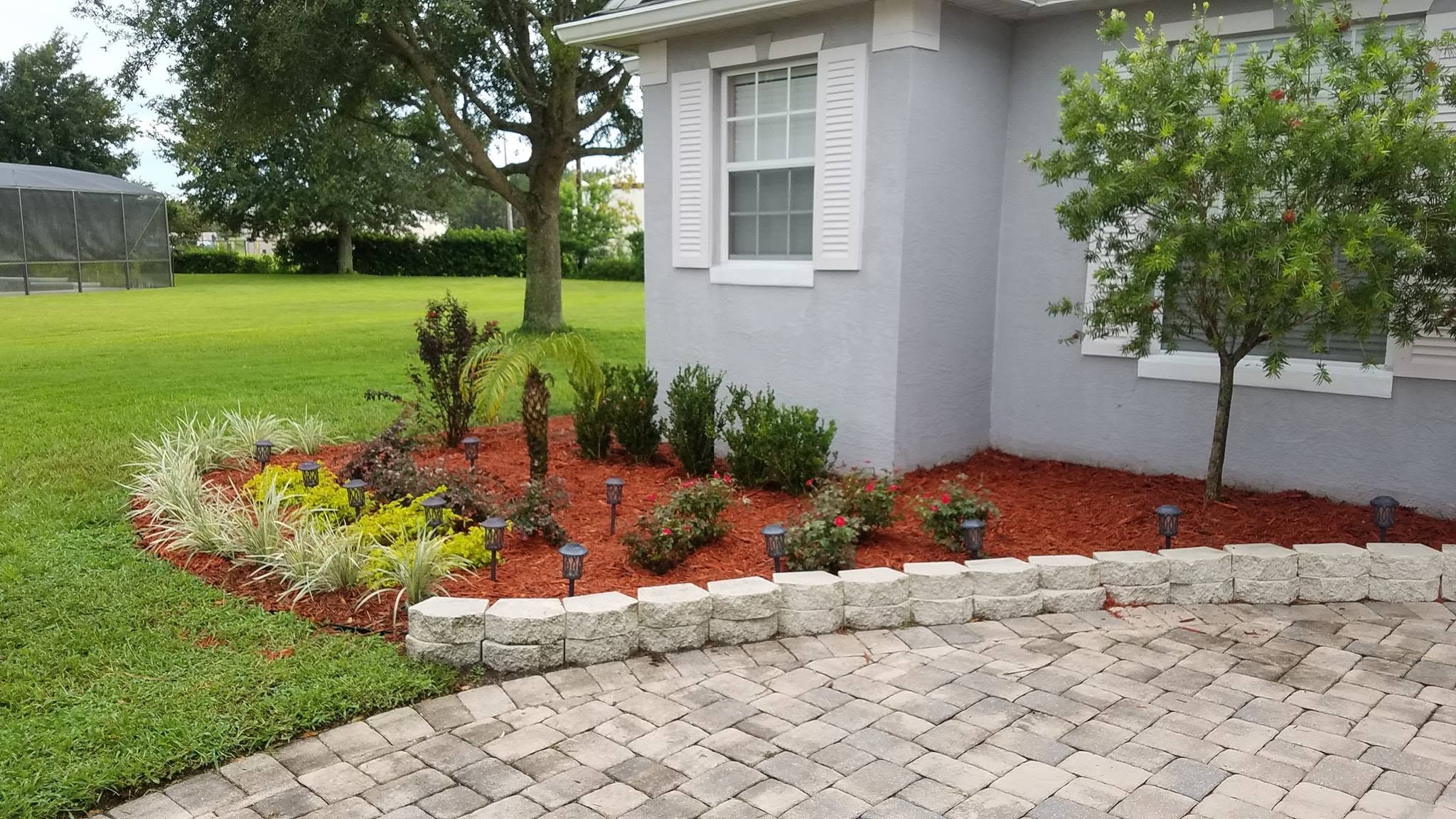
The use of organic mulch is another eco-friendly gardening technique. Mulch aids in retaining soil moisture, suppressing weed growth, and improving soil structure. As mulch decomposes, it adds organic matter to the soil, enhancing its fertility. Materials such as shredded bark, straw, or pine needles can serve as excellent organic mulch options, paving the way for a healthier garden ecosystem.
Moreover, introducing sustainable hardscaping elements like permeable pavements and recycled materials can significantly impact your outdoor space’s eco-impact. Permeable pavements allow rainwater to seep through, reducing runoff and promoting groundwater recharge. Opting for recycled materials, such as reclaimed wood or stone, both supports recycling efforts and gives your garden a unique, rustic charm.
Encouraging the use of eco-friendly garden solutions also involves integrating companion planting, a practice that strategically places plant species together for mutual benefit. Certain plant pairings can naturally ward off pests and improve plant health, reducing the need for chemical pesticides. This promotes a healthy, balanced environment that extends beyond your garden.
In conclusion, sustainable gardening practices are vital for fostering a harmonious relationship with nature. At Nate the Garden Guru, we are dedicated to guiding you in creating an eco-friendly garden that is not only beautiful but also contributes positively to the environment. By making conscious choices, such as planting native species, conserving water, composting, and employing sustainable materials, you can enjoy a flourishing garden that stands as a testament to environmental stewardship. Start integrating these sustainable practices today, playing a part in cultivating a greener future for generations to come.
/filters:no_upscale()/filters:format(webp)/media/6c7a81ef-1f72-47c5-8e78-1021dcb3bdd0.jpeg)